2026 Reading Challenge: August Short Reads
Books less than 200 pages long

Just because a book is short, doesn't mean it doesn't pack a punch! This month we're celebrating shorter books that leave us with all the feels. Some genres, such as science-fiction, fantasy and history, have a reputation for being big thick tomes with multiple books in a series to work through. But in this list we discover that even these genres can tackle the smaller word counts to ignite our imaginations and pull at our heartstrings.
Whether you decide to stick to your usual genre, or use this month to commit to a short book in another genre, we've got some excellent recommendations to help you get the most out of your short read.
The Beginning Comes After the End by Rebecca Solnit
147 pages
Solnit maps the extraordinary revolution of ideas and rights that we've experienced over the last fifty years, which has profoundly changed our world. In recognising the interdependent and symbiotic relationships in nature and among humans, this revolution is beginning to overturn capitalism, white supremacy, patriarchy and the human domination of nature - despite the best efforts of the old world to fight back.
From one of the most significant thinkers of our day, The Beginning Comes After the End is a culmination of years of activism and offers a unique perspective on our politics and our humanity, to give hope in difficult times and to urgently remind us that the power to change the world is within our reach.
Everything is Tuberculosis by John Green
198 pages
John Green, the #1 bestselling author of The Anthropocene Reviewed and a passionate advocate for global healthcare reform, tells a deeply human story illuminating the fight against the world's deadliest disease. Tuberculosis has been entwined with hu-manity for millennia. Once romanticized as a malady of poets, today tuberculosis is seen as a disease of poverty that walks the trails of injustice and inequity we blazed for it.
In 2019, author John Green met Henry Reider, a young tuberculosis patient at Lakka Government Hospital in Sierra Leone. John be-came fast friends with Henry, a boy with spindly legs and a big, goofy smile. In the years since that first visit to Lakka, Green has become a vocal advocate for increased access to treatment and wider awareness of the healthcare inequi-ties that allow this curable, preventable infec-tious disease to also be the deadliest, killing over a million people every year. In Everything Is Tuberculosis, John tells Henry's story, woven through with the scientific and social histories of how tuberculosis has shaped our world-and how our choices will shape the future of tuberculosis.
Murder by Memory by Olivia Waite
101 pages

Becky Chambers meets Miss Marple in this sci-fi ode to the cozy mystery, helmed by a formidable no-nonsense auntie of a detective
A mind is a terrible thing to erase...
Welcome to the HMS Fairweather, Her Majesty''s most luxurious interstellar passenger liner! Room and board are included, new bodies are graciously provided upon request, and should you desire a rest between lifetimes, your mind shall be most carefully preserved in glass in the Library, shielded from every danger.
Near the topmost deck of an interstellar generation ship, Dorothy Gentleman wakes up in a body that isn''t hers--just as someone else is found murdered. As one of the ship''s detectives, Dorothy usually delights in unraveling the schemes on board the Fairweather, but when she finds that someone is not only killing bodies but purposefully deleting minds from the Library, she realizes something even more sinister is afoot.
Nine Goblins by T.Kingfisher
153 pages
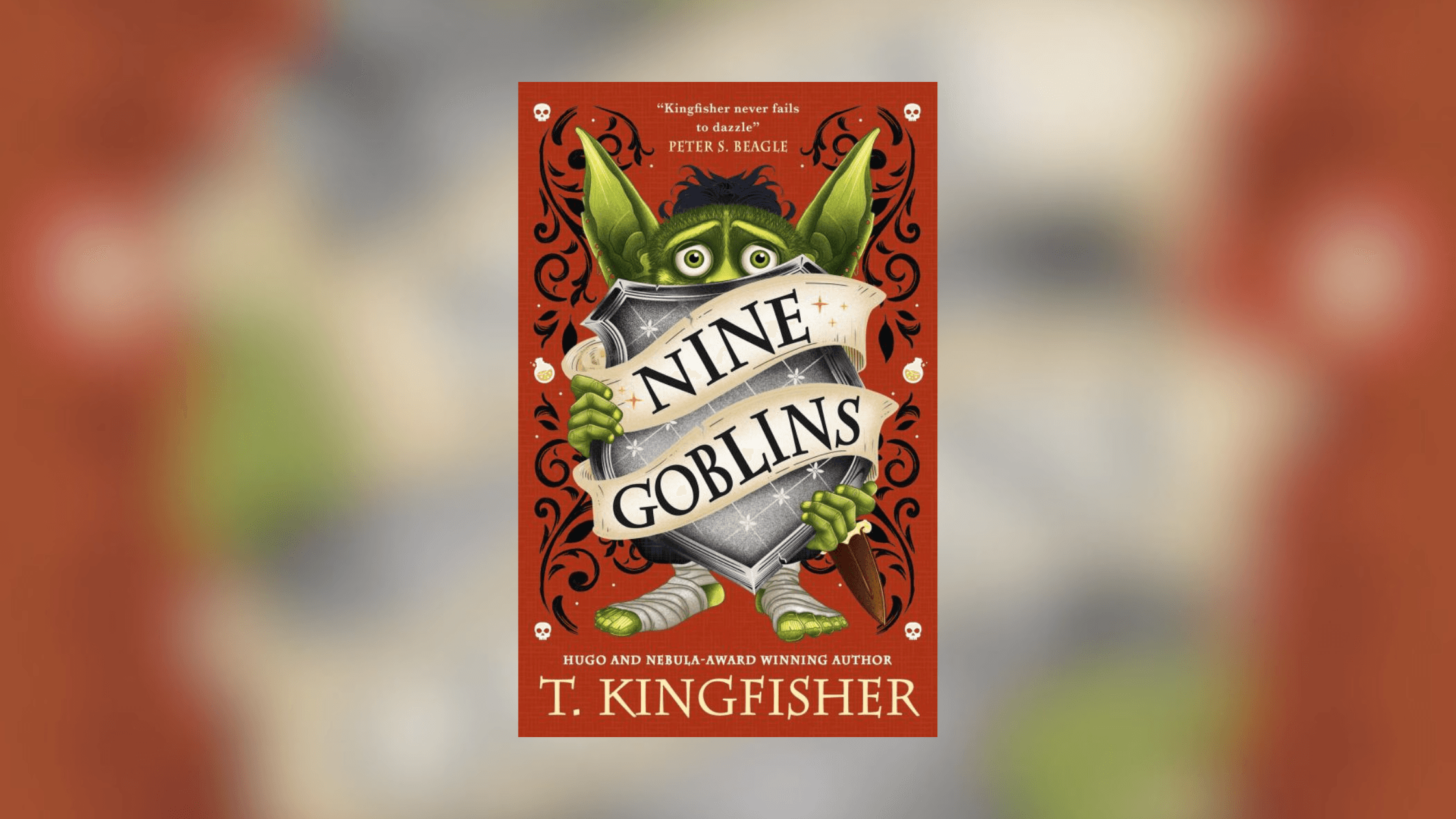
No one knows exactly how the Goblin War began, but folks will tell you that goblins are stinking, slinking, filthy, sheep-stealing, henhouse-raiding, obnoxious, rude, and violent. Goblins would actually agree with all this, and might throw in “cowardly” and “lazy” too for good measure.
But goblins don't go around killing people for fun, no matter what the propaganda posters say. And when a confrontation with an evil wizard lands a troop of nine goblins deep behind enemy lines, goblin sergeant Nessilka must figure out how to keep her hapless band together and get them home in one piece, despite a path filled with elves, trolls, monsters, and that most terrifying of creatures…a human being.
Paradise Rot by Jenny Hval
148 pages
Jo is in a strange new country for university and having a more peculiar time than most. In a house with no walls, shared with a woman who has no boundaries, she finds her strange home coming to life in unimaginable ways. Jo's sensitivity and all her senses become increasingly heightened and fraught, as the lines between bodies and plants, dreaming and wakefulness, blur and mesh. This debut novel from critically acclaimed artist and musician Jenny Hval presents a heady and hyper-sensual portrayal of sexual awakening and queer desire.
Crypt of the Moon Spider by Nathan Ballingrud
127 pages
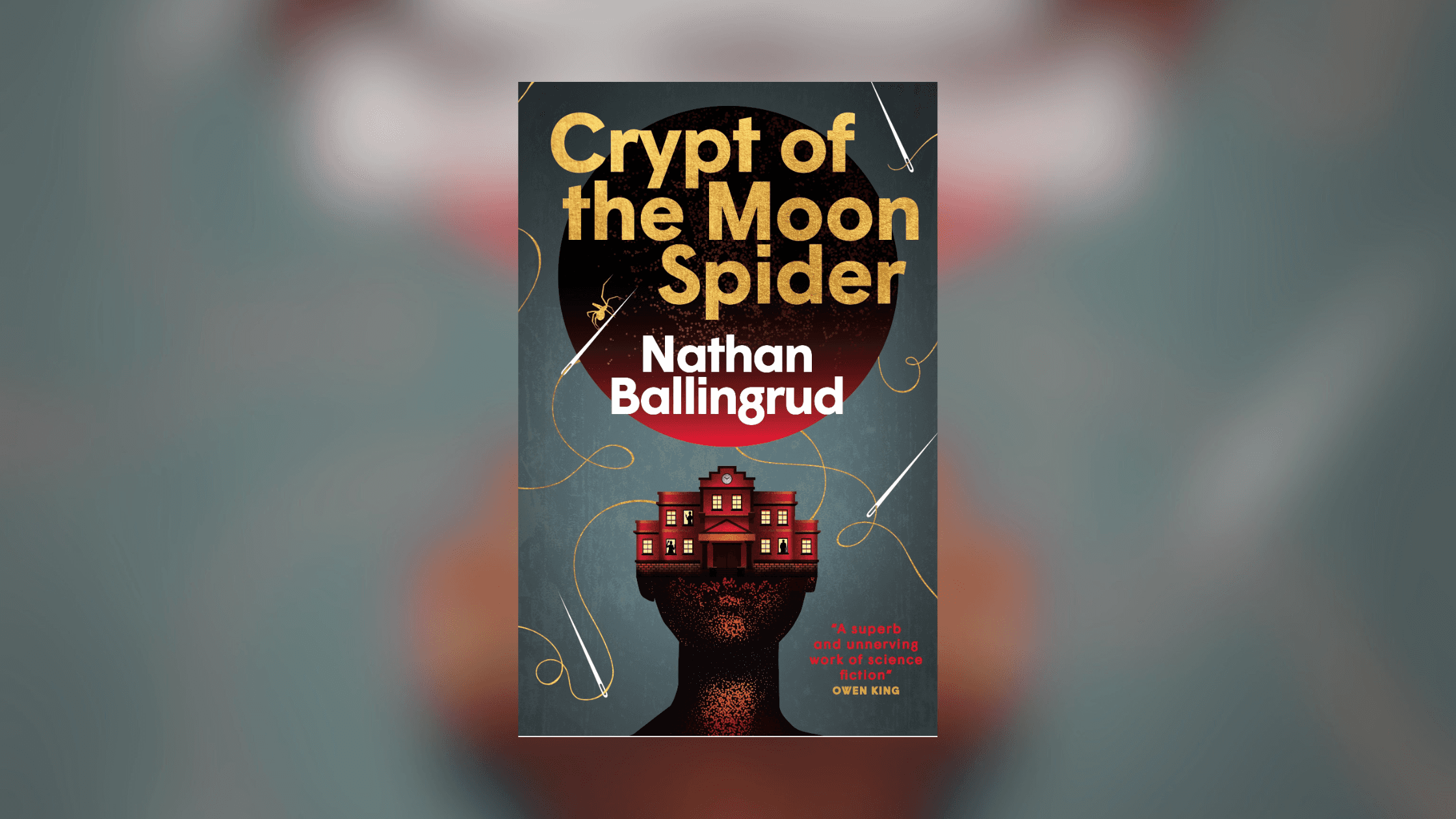
A young woman, committed to an asylum, undergoes a bizarre treatment that unlocks a vast well of power in this cosmic horror novella, perfect for fans of T. Kingfisher. A young woman, committed to an asylum, undergoes a bizarre treatment that unlocks a vast well of power in this cosmic horror novella, perfect for fans of T. Kingfisher. Veronica Brinkley has been committed to The Barrowfield Home, run by Dr. Cull, to treat her depression. The institution is built on the crypt of a giant Lunar Spider, tended to by a monastic group of worshippers called the Alabaster Scholars. Dr. Cull is using the lunar silk from the dead spider to repair people's brains. As Veronica's memories are tampered with, she finds a surprising reserve of power within herself, upending everyone else's plans for her and stepping into a grand new role she had never imagined for herself.
Diary of a Murderer (and other stories) by Kim Young-Ha
200 pages
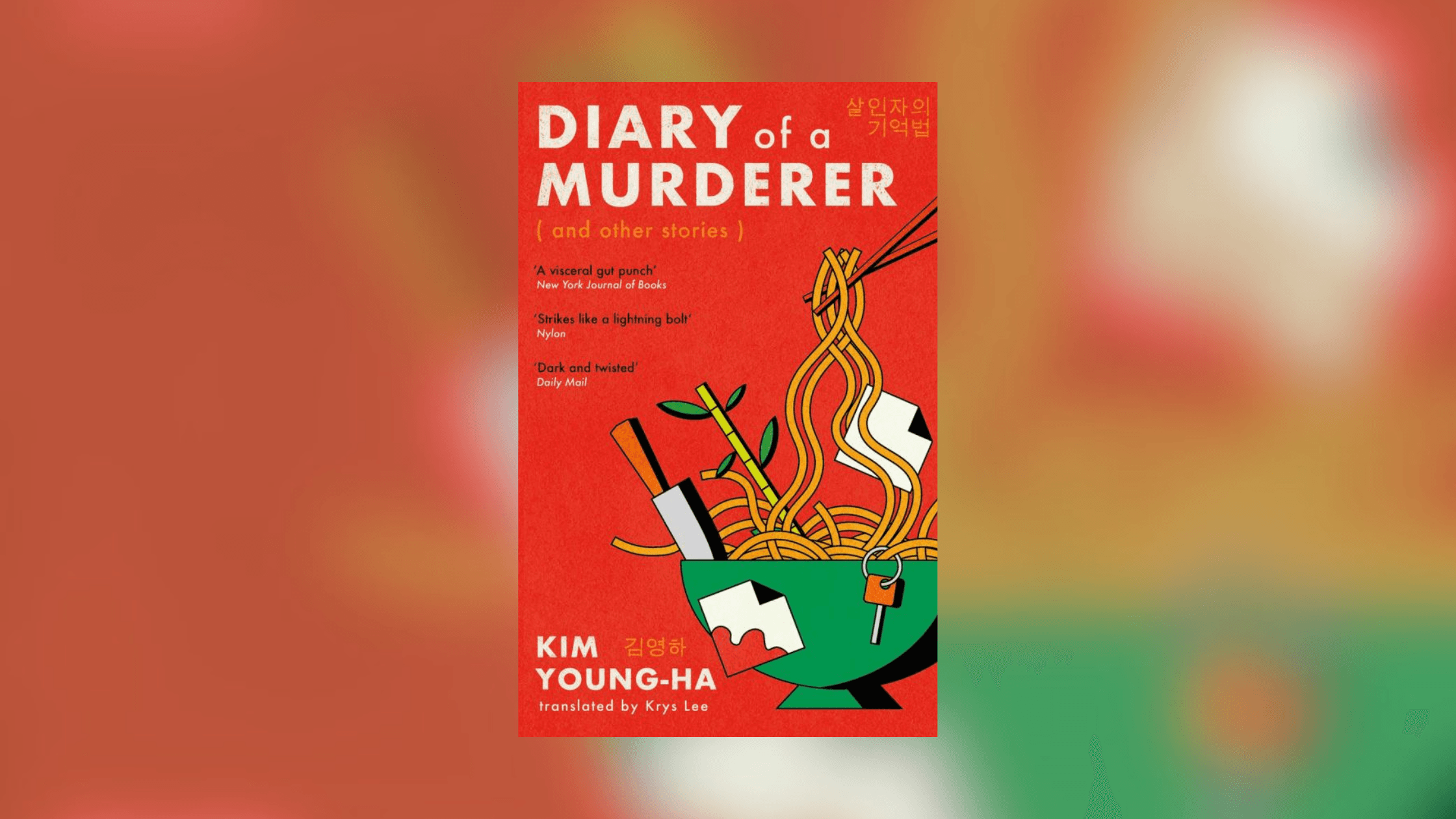
It's been twenty-five years since I last murdered someone, or has it been twenty-six?
A collection of wild, dark stories, including one darkly funny tale of, Kim Byeongsu who, in his time, was one of the best murderers around. But he gave it all up to become a dedicated father. Despite suffering from dementia, he decides to come out of retirement for one final target: his daughter's boyfriend, who he suspects is a killer too.
In other dark, glittering tales, an affair between childhood friends questions the limits of loyalty and love; a family disintegrates after their baby is kidnapped and recovered years later; and the pursuit of creative fulfilment may come at the expense of all reason...
Death Leaves the Station by Alexander Thorpe
186 pages
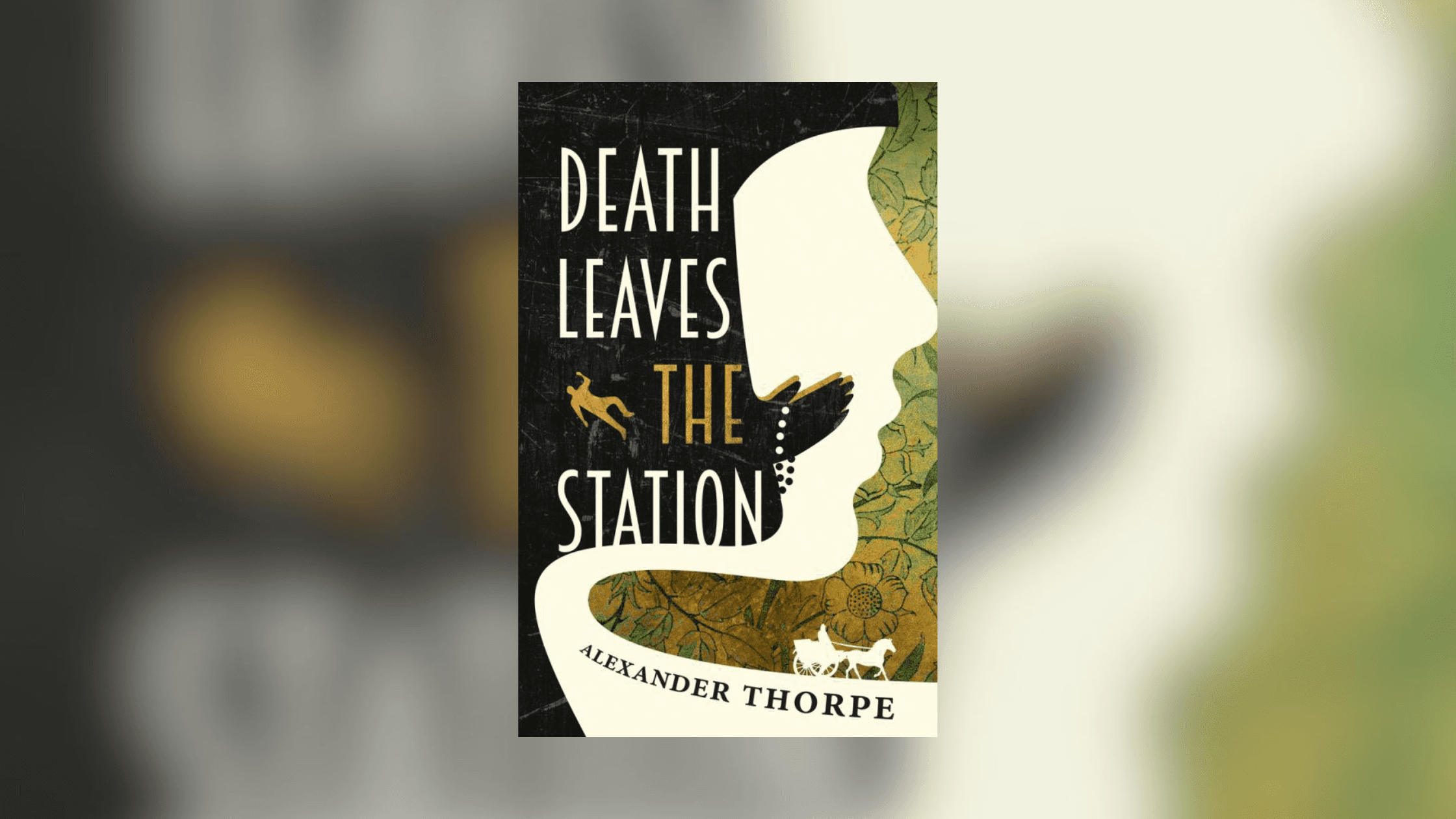
Set in 1927, the story takes all the classic elements of an interwar murder mystery and gives it a distinctive Australian flavour. A nameless friar turns up at Halfwell Station, at the same time that Ana, the adopted daughter of the station owners, discovers a body in the desert nearby when she goes for a midnight walk. But when she returns to look for it, the body is gone.
The Wax Child by Olga Ravn
184 pages

It was a black night in the year 1620 when Christenze Krukow made the wax child, when she melted down beeswax and set it in the image of a small human. For days, she carried it tucked beneath her arm, shaping it with the warmth of her flesh, giving it life. She fashioned for it eyes and ears that cannot open, and yet - it watches and listens.
It looks on as Christenze is haunted by rumour, it hears what the people whisper. It sees how, in the candlelight, she gazes with love at her friends, and hears the things they say in the shadows. It knows pine forest, misty fjord and the crackle of the burning pyre. It observes the violence in men's eyes and the cruelty of their laws. In time, it begins to understand that once a suspicion of witchcraft has taken hold, it can prove impossible to shake...
Based on an infamous seventeenth century Danish witch trial, The Wax Child is the extraordinary new novel from Olga Ravn, one of the most acclaimed and original writers at work today- a mesmerising, frightening vision of a time when witches and magic were as real to the human mind as soil and seawater.
The Ferryman & His Wife by Frode Grytten
166 pages
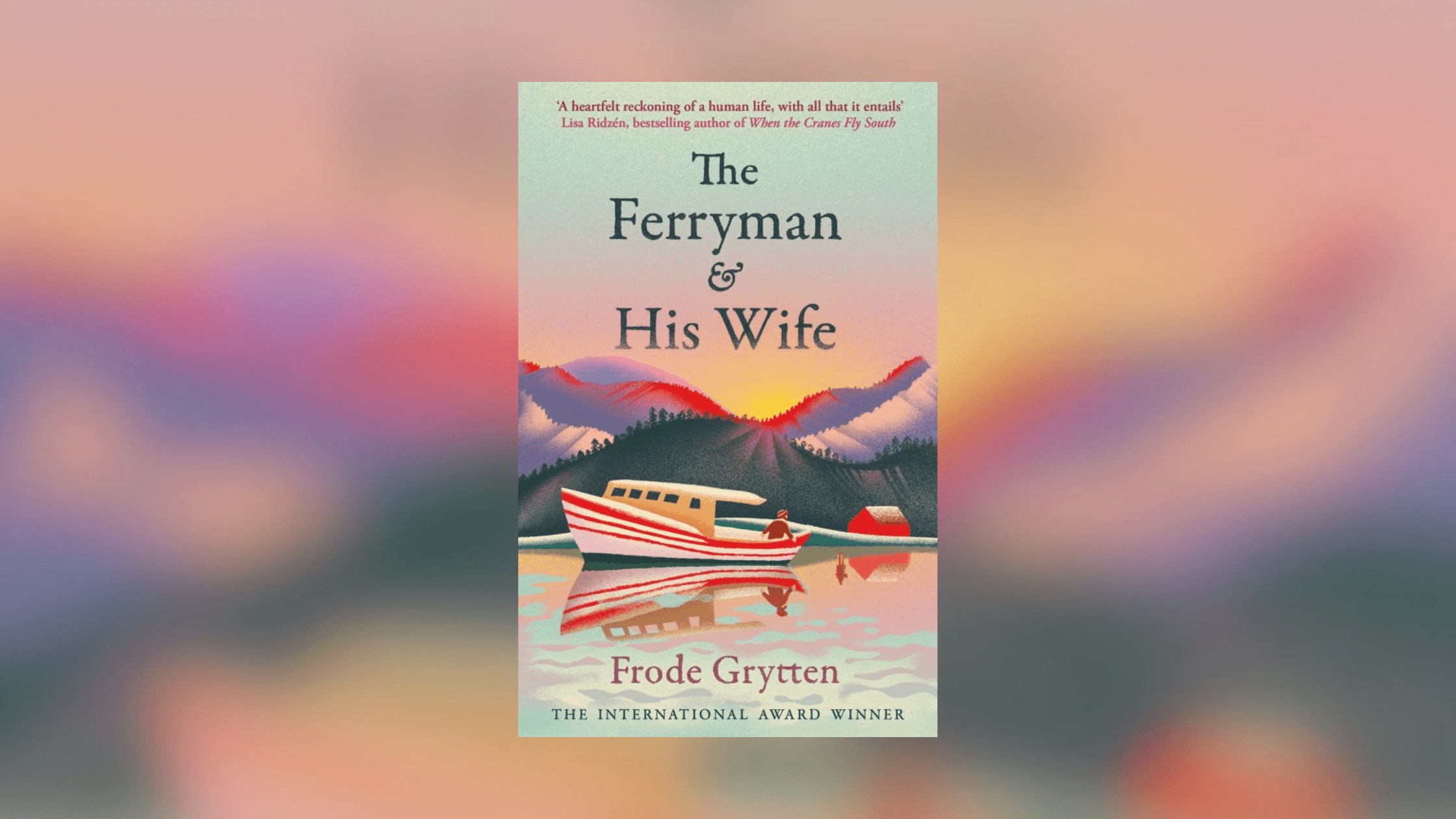
How would you spend your last day? And whom would you spend it with? Ferryman Nils Vik chooses to head out onto the fjord, as he has for many years. Today, the 18th of November, his trip is different. As his trusty boat reaches the sea, a lifetime of passengers join him from beyond the grave, among them his rescue dog, the American photographer he thought of as his friend and young Jon Anderson, whose funeral Nils attended. But Nils is truly waiting for just one passenger: his beloved wife Marta, whose absence has marked each day since her passing.
Approaching the end of his journey, his expectation grows - will he be reunited with her too? Timeless and heartbreaking, The Ferryman and His Wife is a contemplative celebration of life, for readers of Fredrik Backman, Elizabeth Strout and Sarah Winman.
Ankami by Debra Dank
183 pages
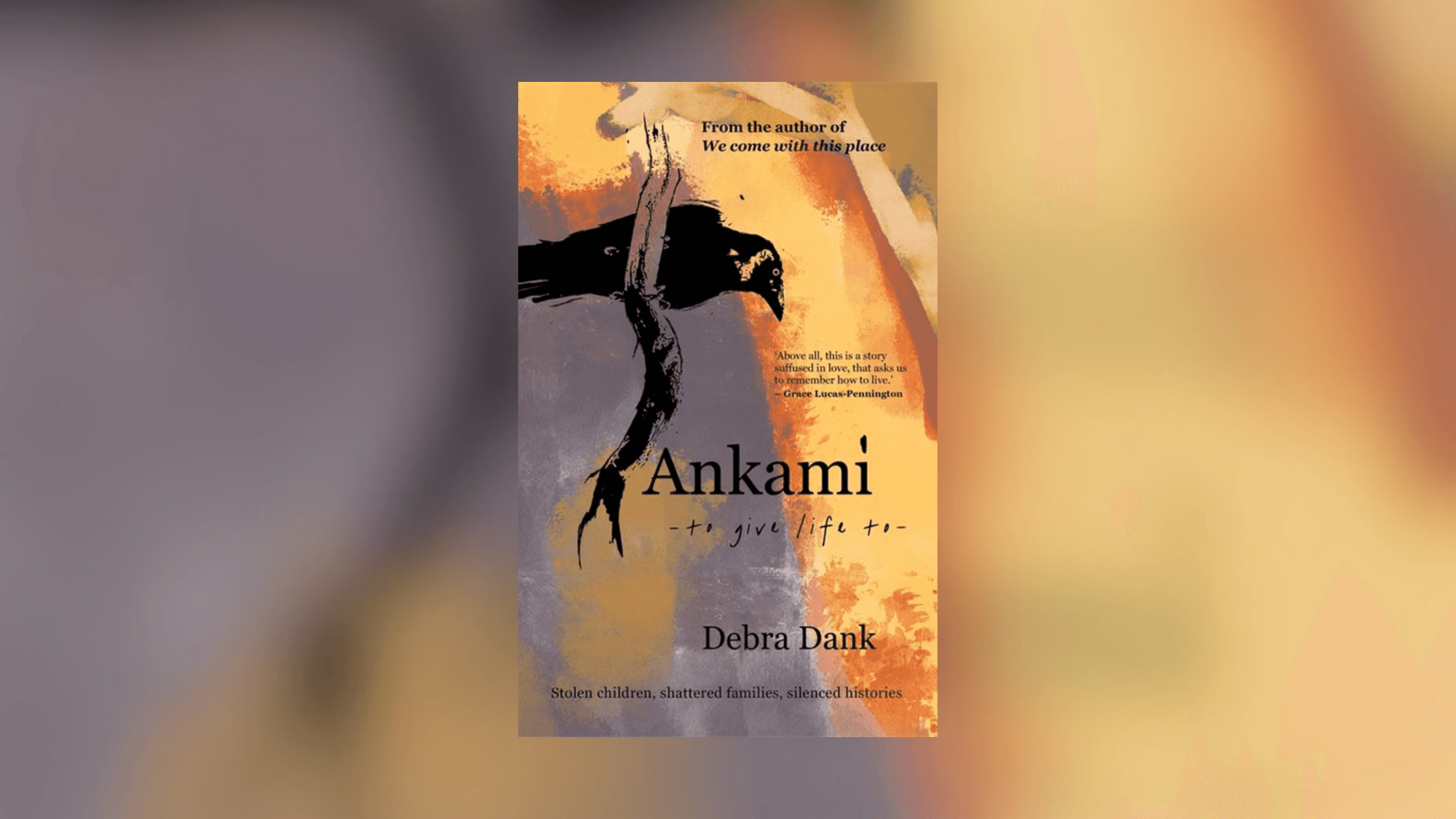
Debra Dank had long been desperate to visit the National Archives, to paint a fuller picture of her family, to add flesh to the name-bones and the few precious stories she possessed. What she discovered would shatter everything she thought she knew about her family and her past.
She had been aware of her father's five siblings, some of whom had died before she could come to know them, but there were always whispers and gaps and silences. Certainly, her parents had experiences that affected how Debra grew up, but hers seemed to be one of the very few Aboriginal families who had escaped having children stolen, who had viewed this horror from a seemingly safer distance. But the information she uncovered revealed that her paternal grandmother had given birth to ten children. Four had been taken from her.
Ankami is written from the perspective of those left behind, those who search always for the faces of stolen and lost Aboriginal children, now known only through a few cruel, thoughtless words written by a violent pastoral manager and a paternalistic colonial administrator, a footnote in a yellowed letter.
Things in Nature Merely Grow by Yiyun Li
172 pages
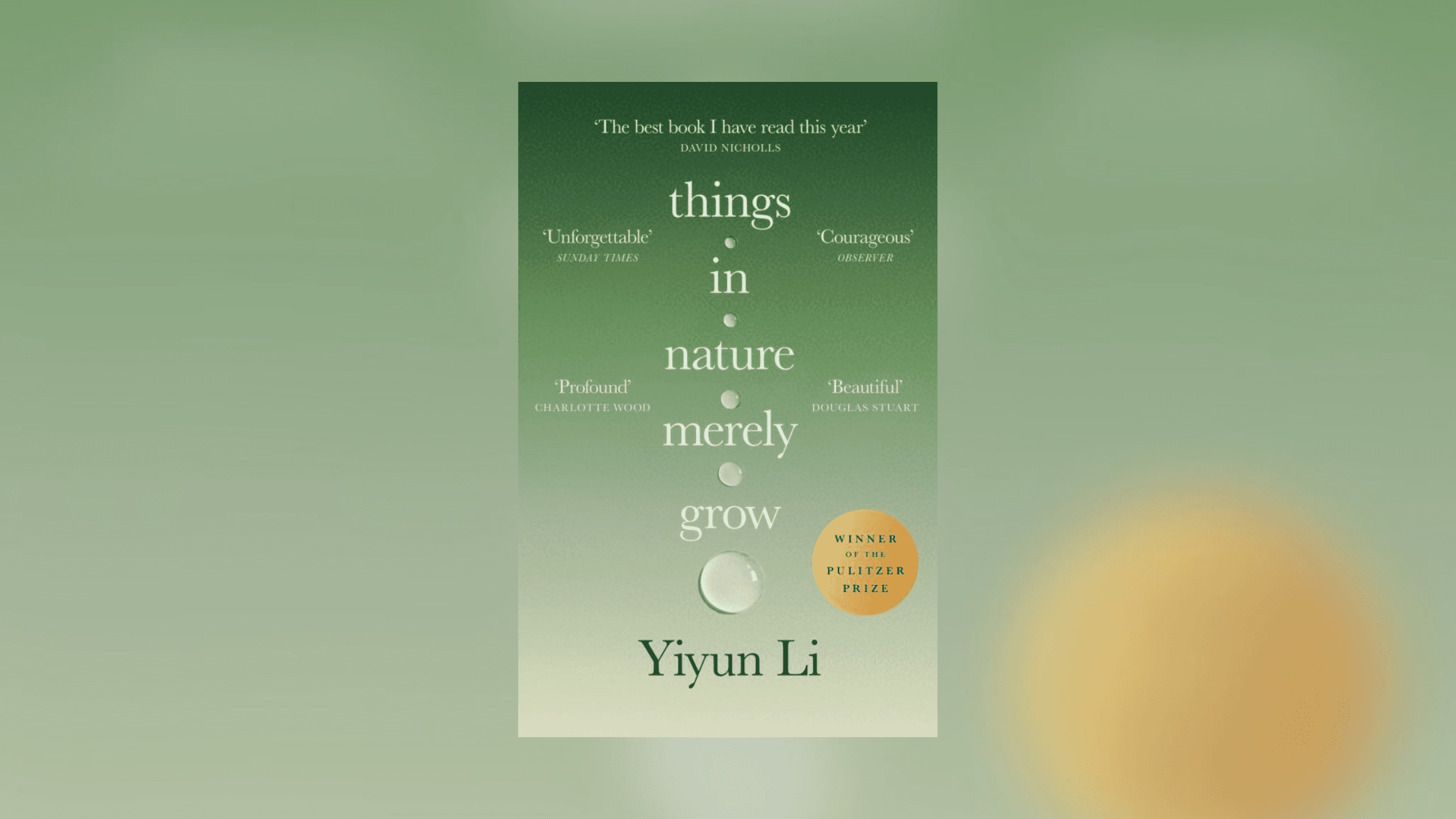
A remarkable, defiant work of radical acceptance from celebrated author Yiyun Li as she considers the loss of her son James. 'There is no good way to say this,' Yiyun Li writes at the beginning of this book.'There is no good way to state these facts, which must be acknowledged. My husband and I had two children and lost them both: Vincent in 2017, at sixteen, James in 2024, at nineteen. Both chose suicide, and both died not far from home.
'There is no good way to say this – because words fall short. It takes only an instant for death to become fact, 'a single point in a timeline'. Living now on this single point, Li turns to thinking and reasoning and searching for words that might hold a place for James. Li does what she can: including not just writing but gardening, reading Camus and Wittgenstein, learning the piano, and living thinkingly alongside death.
This is a book for James, but it is not a book about grieving or mourning. As Li writes, 'The verb that does not die is to be. Vincent was and is and will always be Vincent. James was and is and will always be James. We were and are and will always be their parents. There is no now and then, now and later, only, now and now and now and now.' Things in Nature Merely Grow is a testament to Li’s indomitable spirit.
Orbital by Samantha Harvey
136 pages
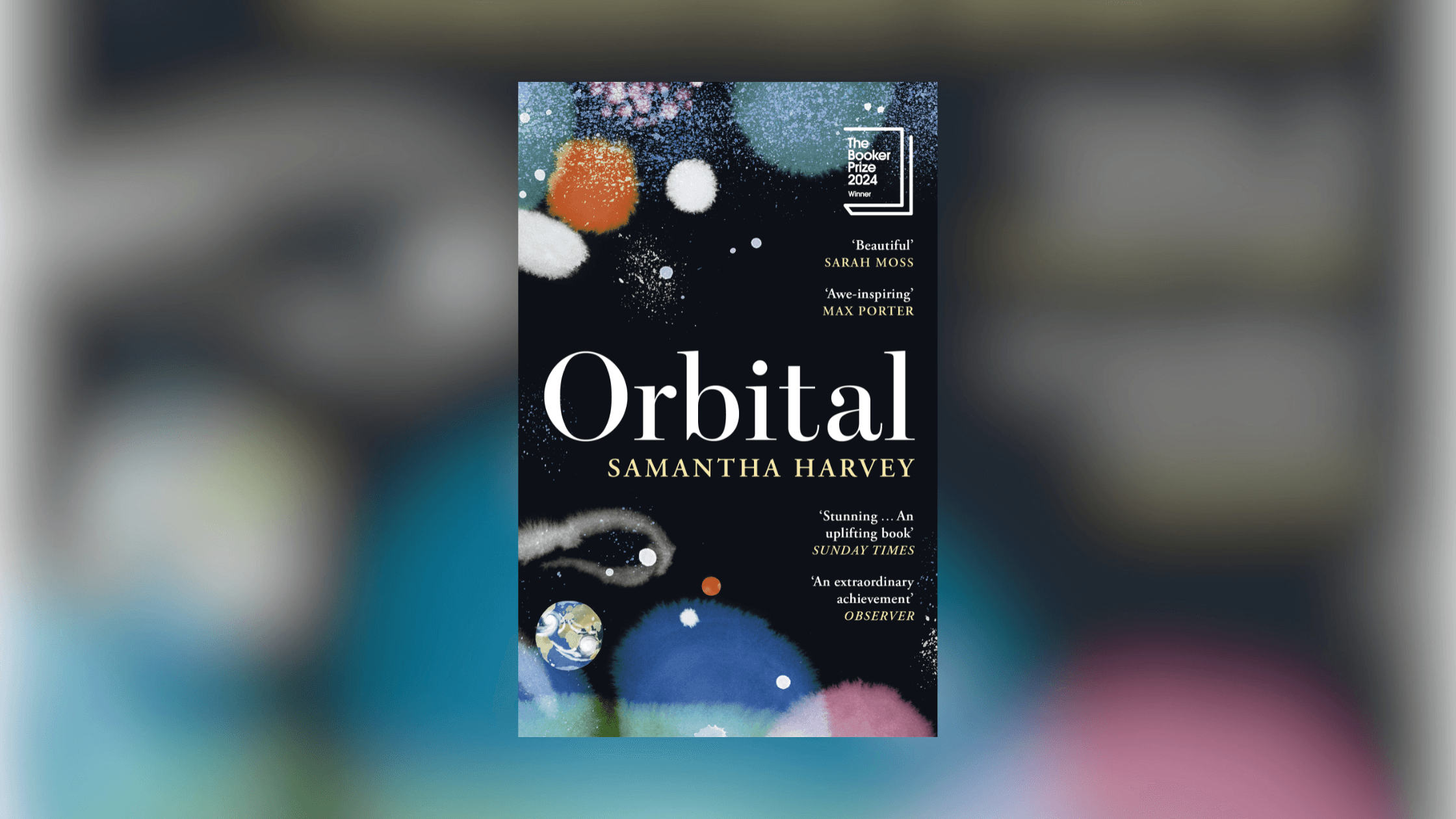
A team of astronauts in the International Space Station collect meteorological data, conduct scientific experiments and test the limits of the human body. But mostly they observe. Together they watch their silent blue planet, circling it sixteen times, spinning past continents and cycling through seasons, taking in glaciers and deserts, the peaks of mountains and the swells of oceans. Endless shows of spectacular beauty witnessed in a single day. Yet although separated from the world they cannot escape its constant pull. News reaches them of the death of a mother, and with it comes thoughts of returning home. They look on as a typhoon gathers over an island and people they love, in awe of its magnificence and fearful of its destruction. The fragility of human life fills their conversations, their fears, their dreams. So far from earth, they have never felt more part - or protective - of it. They begin to ask, what is life without earth? What is earth without humanity?

Jess Gately